JUDGE COUPLE SENTENCED TO 7 YEARS AND 6 MONTHS IMPRISONMENT ON 21 MARCH 2018

Dismissed and arrested judge Nihal Cuvoğlu and her husband, prosecutor Mahmut Cuvoğlu were sentenced to 7 years 6 months in jail by Gaziantep 10th Assize Court for being members of armed terror organisation on 21 Mar 2018.

They were accused of using ByLock secure mobile application which was publicly available on Google and Apple Stores and staying with alleged Gulenists while studying judgeship exam.

They denied accusations and requested their release.

After convicting and sentencing, court released them on condition that travel ban by considering their long detention period. They will be put in prison again to serve remaining sentence if appeal courts uphold the convictions.

Source:
memurlar.net

Turkey: Statement of “the Platform for an Independent Judiciary in Turkey”

Considering the European Union – Turkey high-level summit to be held on March 26th in Varna (Bulgaria), please find hereinafter a statement of “the Platform for an Independent Judiciary in Turkey”:

The statement has been sent today, 22nd of March 2018, to the main European and International organisations.

Statement on the eve of the EU-Turkey leaders’ meeting in Varna

Everyone in Europe is aware that 150 journalists are detained in Turkey and that the majority of them have no idea what the indictments are. All judgments issued to date fundamentally contradict the rights and principles which form the (common) basis of European law.

Additionally, over 25% of all Turkish judges and prosecutors, namely more than 3,000, are also facing pre-trial detention.

First of all, this shocking reality signifies that a large number of innocent persons are illegally prosecuted and this situation must not be ignored as individuals and the country as a whole will suffer from the adverse effects.

Secondly, the dismissal of 4279 judges and prosecutors (out of a total of approximately 12,000 throughout Turkey) creates huge and damaging losses within the offices of the Turkish judiciary and prosecutors.

The existence of a highly qualified and independent judiciary within a country is one of the corner stones of a democracy under the rule of law.

It is therefore of utmost importance that Europe makes all possible efforts to persuade Turkey to remedy this unacceptable situation and it is without doubt a major concern for both Turkey and Europe.

The Platform for an Independent Judiciary in Turkey is composed of four major European associations of judges:

1. The Association of European Administrative Judges (AEAJ)

2. The European Association of Judges

3. Judges for Judges

4. The “Magistrats Europeens pour la Democratie et les Libertes” (MEDEL)

These associations have been closely following the developments of the Turkish judiciary for a number of years. The regression of independence alongside the increasing influence of the government and President plus pressures put on judges and prosecutors all started prior to 2016. Then the abuse which took place regarding the state of emergency following the “coup d’etat” in 2016 has left the country deprived of an independent judiciary and consequently no governing by rule of law.

It is a fact that several current criminal proceedings (which have been under observation) clearly demonstrate how low standards are. High standards are essential elements in a State governed by the rule of law. The red line in the ongoing proceedings, proof or no proof, reveals that judgements have to follow internal directives from the executive power. Disobeying these orders will endanger the life of any judge or prosecutor who dares to follow his/her professional conscience.

In short, there is no independent judiciary in Turkey. This fact not only has consequences for the thousands of illegally detained persons (not only judges), but also will affect all areas/facets of daily life in Turkey and also relations between Turkey and other countries.

Political pressure convinced the Turkish government to free some of the detained journalists, one of whom was Deniz Yucel whose plight was thoroughly covered by international media reports. However, many judges, prosecutors, lawyers and journalists are still being held hostage.

Turkey continues to give the impression of ‘business as usual’ and is again trying to re-instate contact with Europe whilst simultaneously refusing to stop the witch-hunt of opponents who are being detained and prosecuted without foundation.

The Platform for an Independent Judiciary in Turkey reminds all stakeholders of the European Union and member states not to close their eyes in this instance to a neighbouring country where fundamental European principles and values do not exist – whilst it (Turkey) remains a candidate for EU membership.

Whitewashing the situation will only evoke distrust among the European population and it would also have an immense effect on further co-operation between the European Union and Turkey because no independent judiciary exists any longer in Turkey.

In conclusion:

The Platform for an Independent Judiciary in Turkey is highly appreciative of the dialogue based in high-level contacts between Turkey and Europe which still exist and are cherished but it strongly requests that the prime aim of such exchanges is to convince and urge Turkey to:

a. return to the rule of law

b. stop procedures where there is no proof of any involvement in criminal offence

c. free all political prisoners

d. reinstate unduly/unfairly dismissed judges and prosecutors and return their confiscated assets

e. end the state of emergency and return to the principles of a fair trial as established in the
European Convention of Human Rights and Fundamental Freedoms

f. to consider the very recent decisions of EHCR of 20th March 2018 in condemning Turkey for violations of the right to liberty and security and of the right to freedom of expression.

Edith Zeller m.p.
President of the Association of European Administrative Judges (AEAJ)

José Igreja Matos m.p.
President of the European Association of Judges (EAJ)

Tamara Trotman m.p.
President of Judges for Judges

Filipe Marques m.p.
President of Magistrats Européens pour la Democratie et les Libertés (MEDEL)

Source:
iaj-uim.org

HABER| Hakimi gözaltına alırken ağzına silah sokup darp etmişler!

0


15 Temmuz askeri darbe girişimi sonrasında haklarında yakalama kararı çıkarılan ve 2017’nin son aylarında saklandıkları evde gözaltına alınan Eski Diyarbakır hakimi Mesut Orta ve eski Yargıtay Savcısı Hasan Yalçın’a Diyarbakır KOM polisinin işkence yaptığı iddia edildi. Her iki yargı üyesi de gözaltı esnasında polis tarafından darp edildiklerini belirterek şikayetçi oldu. Ancak savcılık tutuklu yargı mensupları Hasan Yalçın ve Mesut Orta’nın ifadesini almadan dosyayı takipsizlik ile kapattı. Suç duyurusunda bulunan Hakim Mesut Orta’nın gözaltı sırasında yere yatırıldığını ve polisin ağzına silah sokarak tehdit ettiği iddiaları da yer alıyor. Ancak şikayette bulunulan savcılığında işkence iddialarıyla ilgili ifade almadan dosyayı kapattığı öğrenildi. Karara yapılan itirazın sonucu ise henüz açıklanmadı.

İddialara göre; polisin takip altına aldığı bir şahıs, haklarında tutuklama kararı olmasına rağmen teslim olmayan iki yargı mensubunu saklıyordu. Diyarbakır KOM polisi tespit ettiği eve baskın düzenleyerek Hakim Mesut Orta ve eski Yargıtay savcısı Hasan Yalçın’ı yakaladı. Hakaretler ve küfürler savuran polis yere yatırdığı yargı mensuplarının darp etmeye başladı. Polisler Hasan Yalçın’ın kafasına ayakları ile bastı. Yalçın sağlık kontrolünde yüzündeki yaraları tutanağa geçirtti. Polis baskın sırasında hakim Orta’yı ise tekme tokat yere yatırdıktan sonra ağzına silah sokup, sinkaflı küfürler etti.

Polisin ters kelepçesi ve sert muamelesinden dolayı el parmaklarında hassasiyet oluşan Orta, 4 gün gözaltında kaldıktan sonra Gaziantep adliyesine götürüldü. Adliyede işkenceyle ilgili polislerden şikayetçi oldu. Fakat Diyarbakır savcılığı ilerleyen günlerde dosyaya takipsizlik kararı vererek kapattı. 12 Ocak 2017’de tek kişilik hücreye konulan hakim Orta’nın aynı zamanda şeker hastası olduğu belirtildi. Hakim Mesut Orta, Cumhurbaşkanı Erdoğan’ın “maalesef kaptırdık” dediği ve aleyhine delillerin sızdırılmasından endişe ettiği için kapatılması istediği UYAP sisteminin kurucuları arasında olmasıyla biliniyordu. Orta, Adalet Bakanlığı Bilgi İşlem Daire Başkanlığı’nda görev yapmıştı.

Diğer yandan tutuklu Yargıtay Cumhuriyet Savcısı Hasan Yalçın’ın annesinin vefat ettiği, Gaziantep H Tipi Cezaevi yönetiminin işlemleri geciktirmesi nedeniyle Safranbolu’da düzenlenen cenaze törenine yetişemediği öğrenildi. Yalçın’ın yol masrafları bile ailesi tarafından karşılandı.

Gaziantep Cumhuriyet Başsavcılığı tarafından açılan davada eski Diyarbakır hakimi Mesut Orta hakkında “silahlı terör örgütü yönetme” suçundan 22,5 yıla kadar hapis cezası isteniyor.

Kaynak:
grihat.com

NEWS| Turkish opposition cries ‘nepotism’ after High Court head’s daughter appointed as judge: Hurriyet Daily News

0


March 21, 2018

The appointment of Council of State head Zerrin Güngör’s daughter Gonca Hatinoğlu as an investigative judge at the Court of Cassation has drawn criticism, amid opposition claims of rising “nepotism” in the Turkish state.

Hatinoğlu was appointed as an investigative judge by the Board of Judges and Prosecutors (HSK) on March 21, two days after she was appointed as a judge in the eastern province of Elazığ in a lottery ceremony.

Her appointment came as a reshuffle of 356 judges and prosecutors, with the change in Hatinoğlu’s position referred to as a “spouse-related justification.”

The post to which she has been appointed in the Court of Cassation usually necessitates many years’ experience as a judge.

Following the July 2016 coup attempt, the purge of officials accused of links to the movement of U.S.-based Islamic preacher Fethullah Gülen left widespread vacancies in Turkey’s justice system amid thousands of arrests and dismissals.

Main opposition Republican People’s Party (CHP) deputy Barış Yarkadaş was among those who blasted Hatinoğlu’s appointment.

“Güngör’s daughter, Gonca Hatimoğlu, was appointed as a judge yesterday. Before even going to her first place of duty, Elazığ, within 24 hours she was appointed to Ankara. Is this justice?” Yarkadaş wrote on his official Twitter account on March 20.

He added that former Supreme Court Penal Department head Mustafa Lütfi Tombaloğlu’s son, Onur Tombaloğlu, was also reappointed as an Ankara judge just 24 hours after he was appointed to the southern province of Kilis via a lottery.

Yarkadaş also stated that 113 of 1,236 newly appointed judges are directly affiliated with the ruling Justice and Development Party (AKP).

HSK rejects claims

The HSK has rejected the claims of nepotism, saying that appointments based on justifications are made right after every lottery ceremony of regular appointments.

“Twenty-seven people who were under same conditions [as Hatinoğlu] have also been appointed as investigative judges to the Court of Cassation,” said HSK deputy head Mehmet Yılmaz on March 21.

He also denied the allegations that the majority of the newly appointed judges are supporters or members of the ruling party.

“There are people from every mentality, thought and region,” he added.

Source:
hurriyetdailynews.com

HABER| Hürriyet: HSK atama yaptı… Danıştay Başkanı’nın kızı 1 günde Yargıtay’a terfi etti

0


Hâkimler ve Savcılar Kurulu’nca (HSK) dün yayımlanan kararnameyle adli yargıda 326, idari yargıda 30 olmak üzere 356 hâkim ve savcının görev yeri değişti. Kararnameye Danıştay Başkanı Zerrin Güngör’ün kızı Gonca Hatinoğlu da girdi. HSK 1. Dairesi, 356 hâkim ve savcıyı kapsayan yeni bir mazeret ve ihtiyaç kararnamesi yayınladı. Kararname ile HSK’nın 19 Mart (önceki gün) tarihli kura kararnamesi sonucuna göre mesleğe kabulü yapılan Gonca Hatinoğlu, aynı tarihte Cumhurbaşkanlığı’nda yapılan kura töreniyle Elazığ Hâkimliği’ni çekmişti. Hatinoğlu, dün yayımlanan mazeret kararnamesi ile Yargıtay Tetkik Hâkimliği’ne atandı.

CHP İstanbul Milletvekili Barış Yarkadaş, twitter’dan Yargıtay 6. Daire eski Başkanı Mustafa Lütfi Tombaloğlu’nun oğlu Onur Tombaloğlu’nun da Kilis’te göreve başlamasına rağmen 24 saat içinde Ankara Hâkimliği’ne atandığı iddiasında bulundu.

Kaynak:
hurriyet.com.tr

JAILED PROSECUTOR MEHMET FATİH TAŞ HAD AN HEART ATTACK IN PRISON CELL


Prosecutor Mehmet Fatih Taş, arrested on July 16 as a part of an operation against judges and prosecutors, had an heart attack in prison cell where he was held under solitary confinement since the beginning of his pre-trial detention.

Having health problems also in prison cell, the heart of Taş reportedly failed for a while and following the medical intervention, he revived again.

The investigation launched into him hasnot been concluded yet, topping it all off the file (investigation) has been referred to each other among the province of Gaziantep, Adana and the Supreme Court of Appeal. While an indictment has not been drafted into Taş, held in Osmaniye Prison, it was reported his health problems were disregarded. On the other side, for the past 18 months, no Prosecutor’s Office has investigated the accusations given as a justification for his pre-trail detention.

Besides he has been subjected to psychological torture being held under solitary confinement in a prison cell, it is still undetermined the Prosecutor’s office in which province would prepare the indictment as to the charges allegedly directed against him.

Source:
grihat.com

REPORT| Some Parts of UN Human Rights Office Report Regarding to Current Situation of Turkish Judiciary

0


GENEVA (20 March 2018) – Routine extensions of the state of emergency in Turkey have led to profound human rights violations against hundreds of thousands of people – from arbitrary deprivation of the right to work and to freedom of movement, to torture and other ill-treatment, arbitrary detentions and infringements of the rights to freedom of association and expression, according to a report issued by the UN Human Rights Office on Tuesday.

The report, which covers the period between 1 January and 31 December 2017, warns that the state of emergency has facilitated the deterioration of the human rights situation and the erosion of the rule of law in Turkey, and may “have long-lasting implications on the institutional and socio-economic fabric of Turkey.”

Here are some parts of the report with regards to situation of judiciary of Turkey:


34. OHCHR is concerned that the new appointment system for the members of the Council of Judges and Prosecutors (formerly High Council of Judges and Prosecutors), introduced through amendments to the Constitution, does not abide by international standards, such as the Basic Principles on the Independence of the Judiciary. In particular, under the amended Constitution, the President appoints four members – that is almost a third of the members of the Council of Judges and Prosecutors, – whose regular number has decreased from 22 to 13 as a result of the amendments. Because of the Council’s key role of overseeing the appointment, promotion and dismissal of judges and public prosecutors, the President’s control over it effectively extends to the whole judiciary branch. The United Nations Human Rights Committee has noted that a situation where the executive is able to control or direct the judiciary is incompatible with the notion of an independent tribunal.

2. Interference with the independence of the judiciary

I saw on TV that there was a new list of judges suspended. Someone called from my department and said that he had received a list from HYSK and I understood that I had been suspended. I saw on TV that they were interrogating judges. I did not go to work that day and from then on I also decided to hide. I did not believe that anything would be done according to the established procedures.

Former judge interviewed by OHCHR

48. Based on credible reports from a variety of sources, OHCHR documented increased executive control over, and interference with the judiciary and prosecution service; the arrest, dismissal and arbitrary transfer of judges and prosecutors to other courts; and recurring instances of threats against lawyers.

49. Article 3 of Decree 667 of 29 October 2016 gave to appellate supreme judicial instances (the Constitutional Court, the Court of Cassation and the Supreme Administrative Court) the power to dismiss their members allegedly linked to Gülenist network. As a result, a large number of ju dges and prosecutors were dismissed, arrested and detained since the failed coup attempt; 4,240 Judges and prosecutors were dismissed through executive orders of the High Council of Judges and Prosecutors, and the Constitutional Court dismissed two of its judges.

50. Sources interviewed by OHCHR indicated that the collective dismissals and suspensions of judges from lower instances courts through lists issued by the High Council of Judges and Prosecutors have been largely arbitrary, and that appropriate procedures were not followed, including respect for the fundamental principle of presumption of innocence, the provision of specific evidence, and individual reasoning of the case, or the ability to present a defence. According to Turkish Law 2802, members of the judiciary can be arrested only when caught in flagrante delicto of committing an aggravated felony.

51. OHCHR recalls that judges represent a special category of public servants, whose independence is guaranteed under international law. Therefore, any dismissals within the judiciary should be subjected to particularly exacting scrutiny, even in times of a serious public emergency. Such dismissals not only affect human rights of the individual judges concerned, but they may weaken the judiciary as a whole and affect its effectiveness.

52. OHCHR notes that the jurisdiction and practice of the Peace Judgeship Courts, established by Law 6545 in June 2014, give rise to numerous concerns. These courts have been using the emergency decrees to issue detention orders, including decisions to detain journalists and human rights defenders, to impose media bans, to appoint trustees for the takeover of media companies, or to block internet. The courts were created following claims by the Government that the investigations that were ongoing into corruption cases involving high level public officials and businessmen were part of an attempted coup by the judiciary. However, under the Law on Criminal Procedure, the Peace Judgeship Courts were given broader powers, such as to issue search and seizure warrants (including permitting ‘wire-taps’ for the interception of communications) and arrest and detention warrants.

53. The decisions of Peace Judgeship Courts can only be appealed to another judgeship of peace. The United Nations Special Rapporteur Special Rapporteur on the promotion and protection of the right to freedom of opinion and expression observed that “the system of horizon tal appeal falls short of international standards and deprives individuals of due process and fair trial guarantees.”

54. According to the Venice Commission, “there are nume rous instances where peace judges did not sufficiently reason decisions which have a drastic impact on human rights of individuals. Their heavy workload does not leave them sufficient time to provide sufficiently individualised reasoning, notably in cases of detention and when shutting down Internet sites.”

55. OHCHR emphasizes the risks of executive control over the judiciary and its institutions with regard to the rule of law and democratic guarantees.

56. In total, some 570 lawyers were arrested, 1,480 faced some kind of prosecution, 79 were sentenced to long-term imprisonment, and approximately 34 bar associations shut down on the ground of alleged affiliation to a terrorist organization. In addition, OHCHR observed a pattern of persecution of lawyers representing individuals accused of terrorism offences, being associated with their clients’ cause (or alleged cause) while discharging their official functions, and consequently prosecuted for the same or related crime attributed to their client.

57. The risks faced by criminal defence lawyers is reportedly so high that it is extremely difficult for suspects arrested during the state of emergency to find a lawyer. Some lawyers still willing to defend suspects of terrorism demand fees that are unaffordable for the majority of suspects. This constitutes an obstacle to the enjoyment of the right to fair trial and access to justice.

Source:
www.ohchr.org

RAPOR| Türkiye: BM raporu, uzatmalı olağanüstü hal döneminde yaşanan yaygın insan hakları ihlallerini detaylı anlatıyor

0


CENEVRE (20 Mart 2018) – BM İnsan Hakları Ofisi tarafından Salı günü yayınlanan rapora* göre Türkiye’de olağanüstü halin rutin olarak uzatılması yüzbinlerce kişinin -çalışma hakkı ve hareket özgürlüğünden keyfi olarak mahrum bırakılmasından, işkence ve diğer kötü muamele, keyfi tutuklama ile örgütlenme ve ifade özgürlüğü hakkının kısıtlanmasına kadar uzanan, insan haklarının yoğun bir şekilde ihlal edilmesine yol açmıştır.

1 Ocak ve 31 Aralık 2017 dönemini kapsayan rapor, olağanüstü halin insan hakları durumunun kötüleşmesine ve Türkiye’de hukukun üstünlüğünün aşınmasına yol açtığı ve “Türkiye’nin kurumsal ve sosyo-ekonomik yapısı üzerinde uzun süreli etkisi olabileceği” uyarısında bulunuyor.

BM İnsan Hakları Ofisi, Türkiye’nin 15 Temmuz 2016’da yapılan darbe girişimini ve bir dizi terör saldırısını ele alırken karşı karşıya kaldığı kompleks zorlukları kabul etmekle birlikte, rapor, “[olağanüstü hal] kararnamelerin sayısının çokluğu, sıklığı ve bazılarının ulusal güvenliğe yönelen tehditlerle alakasının olmaması…. olağanüstü hal yetkilerinin hükümeti eleştiren veya ona muhalefet edenleri bastırmak için kullanıldığına işaret ettiğinin görüldüğünü” belirtiyor.

BM İnsan Hakları Yüksek Komiseri Zeid Ra’ad Al Hussein “Rakamlar çok sarsıcı: 18 aylık olağanüstü hal dönemi boyunca yaklaşık 160.000 kişi gözaltına alındı; büyük çoğunluğu keyfi bir şekilde olmak üzere aralarında öğretmen, hâkim ve avukatların da olduğu 152.000 devlet görevlisi ihraç edildi ya da soruşturmaya uğradı; gazeteciler tutuklandı, medya kuruluşları kapatıldı ve internet siteleri engellendi- Türkiye’de arka arkaya uzatılan olağanüstü hal açıkça, çok sayıda insanın haklarının ciddi ve keyfi bir biçimde kısıtlanması için kullanılmıştır,“ dedi.

Yüksek Komiser “Raporun en endişe verici bulgularından biri” diye ekledi: “Türk makamlarının, hamile olan ya da yeni doğum yapmış 100 kadını, çoğunlukla terör örgütleriyle bağlantılı olduğundan şüphelenilen kocalarıyla “iştirakleri” olduğu gerekçesiyle nasıl gözaltına alınabildiklerine dair raporlardır. Bazıları çocuklarıyla, bazıları çocuklarından şiddetli bir şekilde ayrılarak gözaltına alınmıştır. Bu sadece ölçüsüz değil, tümüyle zalimane ve kesinlikle ülkeyi daha güvenli hale getirmekle ilgili bir durum değil,” dedi.

Rapor, Nisan 2017’de yapılan referandumun, Cumhurbaşkanı’nın yürütme yetkilerinin hem yasama hem de yargı alanında genişletmesinin, yargının işlerine müdahale edilmesi ve meclisin yürütme üzerindeki gözetim yetkisini kısıtlamasına yol açması nedeniyle ciddi problem olduğuna atıf yapmaktadır. 2017 yılı sonu itibarıyla, birçoğu olağanüstü hal ile ilgili olmayan konuları düzenleyen ve sivil toplum aktörlerinin meşru birçok faaliyetini kısıtlamak için kullanılan yirmi iki olağanüstü hal kararnamesi (raporun kapsadığı dönemden sonra iki tane daha) yayınlanmıştır. Rapor, bu kararnamelerin, kararnameler çerçevesinde hareket eden idari makamlara dokunulmazlık sağlayarak cezasızlığı teşvik ettiğini de belirtmektedir.

Rapor, özel mesajlaşma uygulamaları kullandıkları için ya da sosyal medya hesabı kontaklarının incelenmesi neticesinde Gülen ağına dâhil oldukları düşünülen ve bu sebeple ihraç edilen birçok kişinin durumuna dair bilgiler de içermektedir. Rapor, “Kararnamelerin, söz konusu bağlantının niteliğini açıklamayan ve yetkililere geniş yetkiler veren ‘terör örgütleriyle iltisaklı ve irtibatlı’ kavramına yaygın olarak atıf yaptığını” belirtmekte ve “ciddi usul ihlalleri olduğunu” eklemektedir. “Birçok kişi tutuklandı… kendilerine karşı somut bir delil sunulmadı ve birçoğu kendilerine karşı yürütülen soruşturmadan habersizdi.”

Rapor, ayrıca şiddetli dayak, cinsel taciz tehdidi ve gerçek cinsel saldırı, elektrik şoku, basınçlı suya maruz bırakma dâhil olmak üzere gözaltında polis, jandarma, askeri polis ve güvenlik güçleri tarafından yapılan işkence ve kötü muameleyi de belgelemektedir.

İhraç edilenler gelirlerini, sosyal haklarını, sağlık sigortalarını ve hatta evlerini kaybettiler; çeşitli kararnamelerde, ihraç edilen kamu görevlilerinin “kamu konutlarını ya da vakıf konutlarını 15 gün içerisinde boşaltmaları gerektiği” hükmü yer almaktadır.

Raporda, “Olağanüstü halin amacının demokratik kurumların normal işleyişinin yeniden tesis edilmesinden ibaret olduğu belirtilse de, kamu görevlilerin ailelerinin kamu konutlarından tahliye edilmesi gibi önlemlerin bu hedefe nasıl bir katkıda bulunabileceği belirsizdir,” denilmektedir.

Rapor ayrıca, yaklaşık 300 gazetecinin yayınlarının “terörü savunan hassasiyetler” içerdiği ya da “sözlü suçlar” ya da terör örgütlerine “üyelik” saçmalamasıyla tutuklandığını belirtmektedir. 2017 yılında aralarında çok fazla sayıda Kürt odaklı internet ve uydu TV kanallarının bulunduğu 100,000’den fazla internet sitesinin erişime engellendiği rapor edilmiştir.

Rapor, olağanüstü hal sırasında hakların kısıtlanmasına yönelik tedbirlerin “durumun zaruretine sıkı sıkıya bağlı şekilde sınırlandırılması yani, tedbirlerin süre, coğrafi kapsam ve maddi kapsam ile orantılı ve sınırlı olması gerektiğini” vurgulamaktadır.

Rapor, Türkiye’nin olağanüstü hali derhal sona erdirmesini, kurumların normal işleyişlerine geri döndürülmesini, olağanüstü hal kararnameleri de dâhil olmak üzere Türkiye’nin uluslararası insan hakları yükümlülükleri ile bağdaşmayan tüm mevzuatın gözden geçirilip yürürlükten kaldırılmasını tavsiye etmektedir. Rapor, ayrıca keyfi olarak gözaltına alınan ve ihraç edilen mağdurların bağımsız ve bireysel olarak değerlendirilmesi ve tazminat sağlanmasına dair ihtiyacın da altını çizmektedir.

Rapor ayrıca, Türkiye’nin Güneydoğusunda yaşanan insan hakları ihlallerine dair iddiaların devam etmesinin, BM İnsan Hakları Ofisinin bölgedeki duruma dair Mart 2017 tarihinde yayınladığı raporunda** vurguladığı örnekleri teyit ettiğini belirtmektedir. Bunlara, öldürme, işkence, kadına yönelik şiddet, aşırı güç kullanımı, barınma ve kültürel mirasın yok edilmesi, acil sağlık hizmetlerine, güvenli su ve geçim kaynaklarına erişimin engellenmesi, ifade özgürlüğü hakkının ciddi bir şekilde kısıtlanması dâhildir. Raporda, Güneydoğu’da 2015-2016 yılları arasında yürütülen güvenlik operasyonları sebebiyle meydana gelen sivil ölümleri ile ilgili Türkiye’nin inandırıcı ceza soruşturmaları yürütmekte başarısız olduğu belirtilmiştir. Milli Savunma Bakanlığına göre Temmuz 2015 – Haziran 2017 tarihleri arasında 10,657 “terörist etkisiz hale getirilmiştir”. “Etkisiz hale getirilme” cümlesinin anlamına dair belirsizlik derin bir kaygı uyandırmaktır. Yüksek Komiser Zeid, bu kişilerin akıbeti hakkında yetkililerin detaylı bilgi sağlaması çağrısında bulundu.

Yüksek Komiser “Türkiye Hükümeti’ni bu ciddi insan hakları ihlalleri iddialarını soruşturmaya ve faillerin adalete teslim edilmesini sağlamaya çağırıyorum” dedi. “Hükümete, ofisimin ülkenin Güneydoğusundaki insan hakları durumunu doğrudan, bağımsız ve nesnel olarak değerlendirebilmesi için tam ve sınırsız erişime izin vermesi için yaptığım çağrımı tekrar ediyorum.”

Bu rapor, 104 mağdur, tanık ve mağdurların akrabaları ile yapılan görüşmelerden elde edilen bilgiler; hükümet kaynaklı bilgilerin analizi ve ayrıca açık kaynaklardan elde edilen dokümanlar, uydu görüntüleri ile görsel-işitsel materyaller ve ilgili ve güvenilir diğer materyallerden elde edilen bilgilere dayanarak hazırlanmıştır. Rapor, Türkiye’deki insan hakları durumunun eksiksiz ve tam kapsamlı bir açıklaması değildir, ancak ülkede hak ihalelerinin örneklerini göstermektedir. Misillemeleri önlemek amacıyla kaynakların gizliliği kesin bir şekilde korunmaktadır.

Raporun tamamına erişmek için:
www.ohchr.org

REPORT | Turkey: UN report details extensive human rights violations during protracted state of emergency

0

GENEVA (20 March 2018) – Routine extensions of the state of emergency in Turkey have led to profound human rights violations against hundreds of thousands of people – from arbitrary deprivation of the right to work and to freedom of movement, to torture and other ill-treatment, arbitrary detentions and infringements of the rights to freedom of association and expression, according to a report* issued by the UN Human Rights Office on Tuesday.

The report, which covers the period between 1 January and 31 December 2017, warns that the state of emergency has facilitated the deterioration of the human rights situation and the erosion of the rule of law in Turkey, and may “have long-lasting implications on the institutional and socio-economic fabric of Turkey.”

While the UN Human Rights Office recognizes the complex challenges Turkey has faced in addressing the 15 July 2016 attempted coup and a number of terrorist attacks, the report says, “the sheer number, frequency and lack of connection of several [emergency] decrees to any national threat seem to…point to the use of emergency powers to stifle any form of criticism or dissent vis-à-vis the Government.”

“The numbers are just staggering: nearly 160,000 people arrested during an 18-month state of emergency; 152,000 civil servants dismissed, many totally arbitrarily; teachers, judges and lawyers dismissed or prosecuted; journalists arrested, media outlets shut down and websites blocked – clearly the successive states of emergency declared in Turkey have been used to severely and arbitrarily curtail the human rights of a very large number of people,” UN High Commissioner for Human Rights Zeid Ra’ad Al Hussein said.

“One of the most alarming findings of the report,” he added, “is how Turkish authorities reportedly detained some 100 women who were pregnant or had just given birth, mostly on the grounds that they were ‘associates’ of their husbands, who are suspected of being connected to terrorist organizations. Some were detained with their children and others violently separated from them. This is simply outrageous, utterly cruel, and surely cannot have anything whatsoever to do with making the country safer.”

The report cites the April 2017 referendum that extended the President’s executive powers into both the legislature and the judiciary as seriously problematic, resulting in interference with the work of the judiciary and curtailment of parliamentary oversight over the executive branch. Twenty-two emergency decrees were promulgated by the end of 2017 (and two more since the cut-off date of the report), with many regulating matters unrelated to the state of emergency and used to limit various legitimate activities by civil society actors. The decrees also foster impunity, affording immunity to administrative authorities acting within the framework of the decrees, the report notes.

The report contains accounts from several individuals who were dismissed from their jobs for perceived links with Gulenist networks, for using specific messaging applications or through analysis of their social media contacts. “The decrees broadly refer to ‘link or connection’ with ‘terrorist organisations’ without describing the nature of such links, giving large discretion of interpretation to the authorities,” the report states, adding there were serious due process violations. “Many individuals arrested…were not provided with specific evidence against them and were unaware of investigations against them.”

The report also documents the use of torture and ill-treatment in custody, including severe beatings, threats of sexual assault and actual sexual assault, electric shocks and waterboarding by police, gendarmerie, military police and security forces.

Those dismissed from their jobs lost their income, social benefits, medical insurance and even their homes, as various decrees stipulate that public servants “shall be evicted from publicly-owned houses or houses owned by a foundation in which they live within 15 days.”

“Since the stated purpose of the emergency regime was to restore the normal functioning of the democratic institutions, it is unclear how measures such as the eviction of families of civil servants from publicly-owned housing may contribute to this goal,” the report states.

The report also states that about 300 journalists have been arrested on the grounds that their publications contained “apologist sentiments regarding terrorism” or other “verbal act offences” or for “membership” in terrorist organisations.

Over 100,000 websites were reportedly blocked in 2017, including a high number of pro-Kurdish websites and satellite TV channels.

The report stresses that measures restricting rights during a state of emergency must be “limited to the extent strictly required by the exigencies of the situation, meaning they must be proportional and limited to what is necessary, in terms of duration, geographic coverage and material scope.”

The report recommends that Turkey promptly end the state of emergency, restore the normal functioning of its institutions, revise and repeal all legislation that is not compliant with Turkey’s international human rights obligations, including the emergency decrees. It also stresses the need to ensure independent, individualized reviews and compensation for victims of arbitrary detentions and dismissals.

The report also noted continued allegations of human rights violations specific to South-East Turkey, confirming the patterns of violations highlighted in the March 2017 UN Human Rights Office report** on the situation in the region. This included killings, torture, violence against women, the excessive use of force, destruction of housing and cultural heritage, prevention of access to emergency medical care, safe water and livelihoods, and severe restrictions of the right to freedom of expression. Turkey has consistently failed to conduct credible criminal investigations into the civilian deaths that occurred in the context of the 2015-2016 security operations in the South-East, the report states. According to the Ministry of Defence, between July 2015 and June 2017, 10,657 “terrorists were neutralized.” Lack of clarity over the meaning of the word “neutralized” is cause for deep concern, High Commissioner Zeid said, calling on the authorities to provide detailed information about the fate of these individuals.

“I urge the Government of Turkey to ensure that these allegations of serious human rights violations are investigated and the perpetrators are brought to justice,” the High Commissioner said. “I again call on the Government to grant my Office full and unfettered access to be able to directly, independently and objectively assess the human rights situation in the South-East of the country.”

The report is based on information gathered and verified through interviews with 104 victims, witnesses and relatives of victims; analysis of Government information; as well as open source documents, satellite images and audio-visual material, among other relevant and reliable materials. The report is not an exhaustive account of the human rights situation in Turkey, but illustrates patterns of rights violations in the country. The confidentiality of sources is strictly protected, to prevent reprisals.

Source:
www.ohchr.org
NEWS| CHP leader criticizes judges, prosecutors for giving Erdoğan standing ovation: Hurriyet Daily News

0


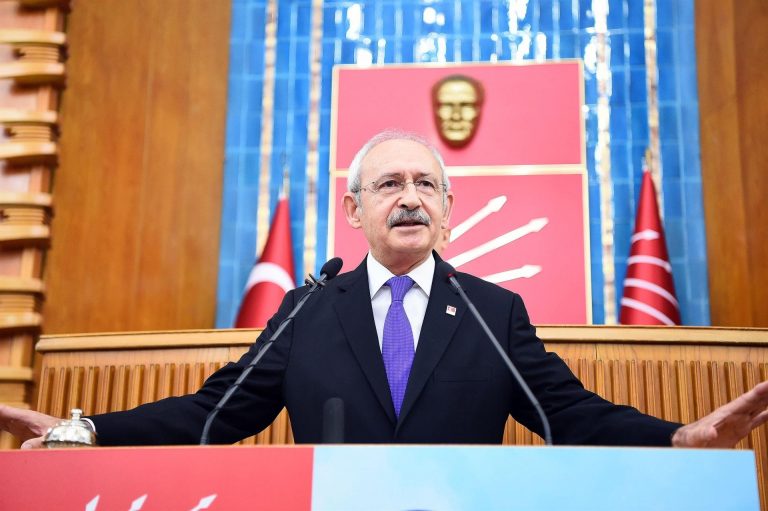
Main opposition Republican People’s Party (CHP) leader Kemal Kılıçdaroğlu has criticized Turkey’s newly appointed judges and prosecutors for giving President Recep Tayyip Erdoğan standing ovations in an election ceremony on March 19.

“I want to ask all those judges and prosecutors why they stood up. Was it because the leader of a political party arrived? Will they stand up every single time a leader arrives?” Kılıçdaroğlu said on March 20 while addressing his party group in parliament.

His comments came after newly appointed judges and prosecutors attended a ceremony on March 19 where their jurisdictions were determined in a draw.

The ceremony taking place at the Presidential Complex attracted criticism from the opposition, which argued that it was an example of the rising influence overshadowing the judiciary.

In previous years, the draw would be held at the Board of Judges and Prosecutor’s (HSK) building or at the main courthouse before the Presidential Complex was built in 2014.

Criticizing the judges and prosecutors who participated in the standing ovation after Erdoğan delivered an opening speech, Kılıçdaroğlu slammed the new senior judiciary members for “bowing down to the power of the presidency.”

“I am calling on those judges to leave two buttons on their robes undone, which will have the emblem of the presidency. When they come to you, do not just stand up, but button up your robe. One of the buttons will be for executive and the other for legislation. You can button up your robe before them… You are not suitable to be judicial members,” he said, referring to a historical tradition in Turkey where judges and prosecutors do not button up their robes before senior politicians.

Kılıçdaroğlu accused the current judiciary members of being influenced by the ruling Justice and Development Party (AKP), while saying the CHP defends an independent judiciary.

“But they insist on getting instructions,” he said.

Kılıçdaroğlu recalled the credit rating agency Moody’s recent decision to downgrade Turkey’s debt on March 8, citing the agency that there was an “erosion of checks and balances” in Turkey.

“The authority of the judiciary being undermined can be clearly seen by the government’s refusal to honor a Constitutional Court ruling to release certain political prisoners, and a lower court later sentencing the prisoners to life in jail,” Kılıçdaroğlu said, referring to the case of journalists Mehmet Altan, currently in jail, and Şahin Alpay.

The local court had defied Turkey’s top court’s decision on the journalists. Kılıçdaroğlu said the local court should comply with the law.

“The Constitutional Court rules to release while you hand down a life sentence. There should be some morality,” he stressed.

Source:
hurriyetdailynews.com