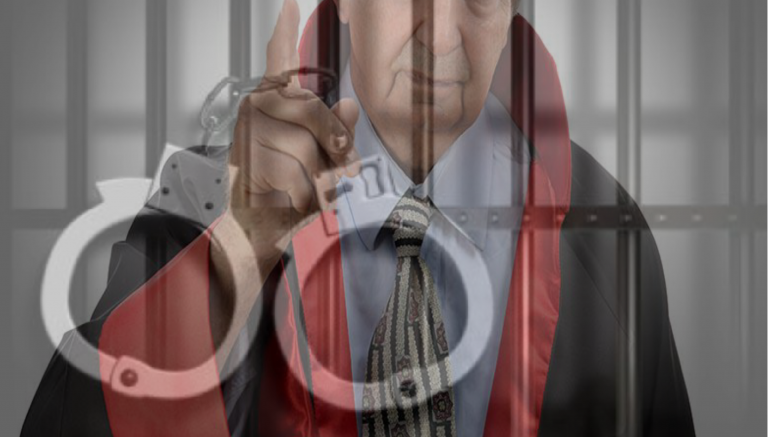
ALL JUDGES STAND UP TO GREET AND HAIL ERDOGAN

0

[wpvideo m1CG689M]

The Board of Judges and Prosecutors (HSK) has held a postponed ceremony today to determine first workplace for junior judges and prosecutors in the Presidential Palace. After chairman of ruling party and President Erdogan entering into the saloon, judges and prosecutors including top ones from Appeal Court and Constitutional Court all stand up to greet and hail Erdogan.

Erdogan, who came to the speech platform, stressed that FETO [used for alleged Gulenists in Turkey] have not been completely cleaned from the judiciary. Erdogan said:

“It was the fastest clean-up agency in our country. I follow these steps carefully. Well, I do not believe it’s over yet. We will work harder. Who knows where this virus is? They need to be cleaned.” (1)

It is not the first time judges standing up before Erdogan. Justices at Court of Cassation did so on Sep 1, 2016 which is the first time in Turkey’s history and they were critisized by opponents. (2)


A day after this ceremony held on 19 Mar 2018, main opposition party (CHP) deputy Barış Yarkadaş shared the list of those who were appointed as judges and prosecutors at ceremony.

He reveals that more than 113 new appointed judges and prosecutors were members of the ruling party (AKP) organizations who had served before. (3)

Sources:
1. www.cumhuriyet.com.tr

2. www.cumhuriyet.com.tr

3. odatv.com

WHAT HAPPENED TO JUDGES AND PROSECUTORS WHO ARE IN CHARGE OF 17/25 DECEMBER CORRUPTION INVESTIGATIONS

0

I-PROSECUTORS WHO ARE IN CHARGE OF 17 DEC 2013 CORRUPTION (MINISTERS & ZARRAB) CASE (1)

1-Zekeriya Öz: Deputy Chief Prosecutor, dismissed, arrest warrant is issued for him, now he is fugitive (2)

2-Celal Kara: Prosecutor, dismissed, arrest warrant is issued for him, now he is fugitive

3-Mehmet Yüzgeç: Prosecutor, dismissed, arrest warrant is issued for him, now he is fugitive (3)

II-PROSECUTOR AND JUDGES WHO ARE IN CHARGE OF 25 DEC 2013 CORRUPTION (SECOND WAVE OF 17 DEC CASE: ERDOGAN’S SON & OTHERS) CASE

1-Muammer Akkaş: Prosecutor, dismissed, arrest warrant is issued for him, now he is fugitive (4)

2-Süleyman Karaçöl: Judge, dismissed, arrested, he has been in jail since Sep 15, 2015. (5)

3-Menekşe Uyar: Woman judge, dismissed, arrest warrant is issued for her, now she is fugitive (6)

III-JUDGES WHO RELEASED ARRESTED POLICE OFFICERS INVESTIGATING 17-25 DEC CASES

1-Metin Özcelik: Judge, dismissed, arrested, sentenced to 10 years in prison, he has been in jail since May 1, 2015 (7)

2-Mustafa Başer: Judge, dismissed, arrested, sentenced to 10 years in prison, he has been in jail since May 1, 2015 (8)

Arrestees because of being family members of whose mentioned above:

3-Rabia Başer: Wife of Mustafa Başer, judge, dismissed, arrested, sentenced to 7,5 years in prison on 14 Mar 2018, she has been in jail since Aug 18, 2016 (9)

Sources:

1. https://en.m.wikipedia.org/wiki/2013_corruption_scandal_in_Turkey

2. https://uk.reuters.com/article/uk-turkey-prosecutors/turkish-corruption-prosecutors-flee-after-arrest-warrants-issued-idUKKCN0QG1KV20150811

3. https://turkeypurge.com/corruption-prosecutors-wife-arrested-over-bylock-use

4. http://www.nytimes.com/2013/12/28/world/europe/turkey-corruption-scandal.html

5. https://www.cnnturk.com/turkiye/suleyman-karacol-tutuklandi

6. http://www.cumhuriyet.com.tr/m/haber/turkiye/578662/25_Aralik_savcisi_ve_hakimlerine_agirlastirilmis_muebbet_hapis_istemi.html

7. http://www.hurriyetdailynews.com/turkish-judges-who-ruled-release-of-gulen-linked-police-officers-arrested-81800

8. https://stockholmcf.org/judges-ozcelik-and-baser-sentenced-with-10-years-of-prison-over-alleged-gulen-links/

9. https://turkeypurge.com/wife-judge-attempted-release-samanyolu-journalist-sentenced-7-5-years-jail

PROSECUTOR RAFETCAN B. SENTENCED TO 6 YEARS 10 MONTHS 15 DAYS IN PRISON ON 16 MARCH 2018

Dismissed and arrested prosecutor Rafetcan Bozdak was sentenced 6 years 10 months 15 days in jail by Adana 12th Assize Court for being member of armed terrorist organisation on 16 March 2018.

He denied accusations and requested his acquittal.

After convicting and sentencing, court released him on condition that judicial measure by considering his long detention period. He will be put in prison again to serve remaining sentence if appeal courts uphold the conviction.

Source:
memurlar.net

JUDGE HARUN G. SENTENCED TO 6 YEARS 10 MONTHS 15 DAYS IN PRISON ON 16 MARCH 2018

Dismissed and arrested judge Harun Güven was sentenced 6 years 10 months 15 days in jail by Gaziantep 8th Assize Court for being member of armed terrorist organisation on 16 March 2018.

He was accused of using ByLock secure mobile messaging application which was publicly available on Google and Apple Stores.

He denied accusations and requested his acquittal.

After convicting and sentencing, court released him on condition that travel ban by considering his long detention period. He will be put in prison again if appeal courts uphold the conviction to serve remaining sentence.

Source:
memurlar.net

OPINION| The booklet of the Justice Ministry including an instruction to consult with HSK before releasing the jailed judges and the unfortunate statements of Murat AYDIN, vice president of YARSAV*

0


The booklet handed out by the Justice Ministry to the judges and prosecutors in office includes an instruction for them to make release decisions for the jailed judges and prosecutors charged with membership in terror organisation certainly after consulting with HSK.

The main opposition Republican People’s Party leader Kemal Kılıçdaroğlu said on February 27, 2018 in group meeting of his party that ‘there exists no more law and justice in Turkey’, bringing the concerned booklet to the agenda.

The president of the Supreme Court of Appeal İsmail Rüştü CİRİT stated he asked about the booklet to the vice president of HSK Mehmet YILMAZ and also the main subject of this booklet was HSK.

Speaking to journalists, M. YILMAZ said: “There are two investigations launched into judges and prosecutors; first of which is conducted by the first instance courts and the other is the ‘disciplinary investigations’ we have been carrying out. As a result of the disciplinary investigations, ‘an evidence pool’ is generated within HSK. The trial courts hearing the cases of the judges and prosecutors do not have these evidences. In other words, the evidences in our disciplinary investigation files might not exist in files of the trial courts. For this reason, ‘the Justice Ministry said to make release decisions in consultation with HSK’ (1).”

Those mainly expected to show a strong reaction to this statement which calls ‘the constitutionally guarenteed indepence of the judges/prosecutors’ deeply into question and also ‘states the known facts’ were the lawyers asserting that they are independent. Judge Murat AYDIN, one of the executives of YARSAV in the meantime, was one of those names. AYDIN, on the other hand, made these unfortunate (according to us) statements concerning the issue in a radio broadcast he joined:

“This statement mentioned in the booklet in question which was handed out to the judges and prosecutors is only a presentation, not having a binding force due to not being a “circular”. The Justice Ministry had issued some circulars in the past as well for the prosecutors not to make procedural mistakes during the investigations. ‘If this is done for the public prosecutors in order to ensure the unity in implementation of law accross the country, this is quite normal’.

Furthermore, HSK also conducted ‘administrative investigation’ into these judges and prosecutors. Accordingly, ‘HSK might have gathered further different evidences’ rather than the prosecutor’s office and the courts. So, the prosecutors conducting the investigations concerned have to request information from both HSK and other administrative organs. Besides investigations, ‘if the prosecutors request release for their arrested colleagues during hearings, they might also ask for these evidences from HSK’. ‘If what the Justice Ministry says consists of this, that’s okay’. However, it can not be acceptable, if the subject of this booklet is the judges.

On the other side, after the case is brought, the judges of its own motion, as it should be, might ask for evidences from other instit
utions as a requirement of the evidence inquiry obligation. The main problem here is that the current situation of the judiciary makes us more doubtful and responsive to the handouts like this. ‘Under normal circumstances, it is an issue out of any problem’.

In my opinion, this is not an internal legislation but an annotation. A judge should issue the verdict in accordance with the law regardless of any kind of influence. However, a judge should also be granted the ‘judicial guarantees’ so that s/he meets this obligation. The main issue on which we have to emphasize is the absence of these judicial guarantees. If the judges have those, their verdicts will not be as of concern.

The point to be considered is whether a judge getting this booklet can make an independent decision or not. For sure, that booklet may influence the judges under the current conditions. However, subjecting the judges and prosecutors to all kind of pressure, leaving them alone with their professional awareness will not be the guarantee for the citizens. At this point, the worth-stressing is whether the judicial system is operating properly or not.

Because of the reason that the judges and prosecutors do not have judicial guarantees, every verdict they issue will give rise to discussion even it is just and fair. ‘Normally, this workout of booklet should be considered as a training activity in order that the judiciary operates freely in conformity with law’, however, now, it is seen as a tool of pressure to influence the judiciary.

Today, what comes to mind of public opinion for every decision made by the judges is whether they give those decisions under politic motives or oppression of the executives. ‘If we might well say that nothing can have an influence on the judges’decisions and they have also guarantee, today we’ve become not talking about this issue saying that it is just a workout done by the Justice Ministry.

Let’ s assume such a booklet does not exist. Do the judges exercise their judicial task freely or give judgement in accordance with their personal conviction and also feel themselves in safe with their verdicts today? This issue should also be considered. This fact shows us the responsiveness of the public pointing out a big problem in question is normal.

Furthermore, what to be discussed is not why the judges give unfair judgement but whether the atmosphere they are in let them to make fair decisions and also the reasons of it.

The statement of the president of TUSIAD (Turkish Industrialists’ and Businessmen’s Association) which was ‘I wish the economic growth actualized at a percent of 7 instead of 11 but this country experienced the rule of law, now’ presents a vital importance. Because the law concerns all fields of life.

If the people do not feel themselves in safe with the legal system, this causes polarization and separation. ‘If a judge can not give judgement in accordance with the law today, this is as of concern not for that judge but a society’ (2)”.

Why are the statements of AYDIN unfortunate?

AYDIN, in summary, says that the booklet in question is ‘quite normal’ under normal circumstances and also to be seen a reasonable workout if the Justice Ministry means innocently only an advice of evidence inquiry. Let’s imagine any country which experiences the democracy and independence of the judges/prosecutors at the highest level. What happens in this country if a politicized state institution ventures to give an instruction that orders to the judges and prosecutors in office to ‘make release decisions during the trial of their colleagues certainly after consulting with HSK’ handing out a booklet to them? For instance in Germany or France, when any authority of the ruling party gives such an order to the judges and prosecutors, is it considered as an ordinary functioning of the judicial system or a great trouble to arise?

What sent out the concerned booklet is the Justice Ministry, representative of the political will. And also ‘the administrative council’ mentioned in the booklet is HSK, with which the judges are ordered to be consulted; established by the same political will; competent to appoint the judges and prosecutors anywhere it wants at any time and also having the authority to remove the members of the judiciary from the office, what’s worse, to dismiss them with ‘no need to grant right to defense’. Can it be considered quite normal for such a Council having so much broad authority to give a booklet including instructions for the judges and prosecutors in office? Is it possible to talk about any contribution to justice and law of such an instruction delivered to those exercising the judicial power?

While it is obvious that the subject of the instructions in concerned booklet is not only the prosecutors ‘but also the judges’, how the paradox of the statements of AYDIN can be explainable which is on the one side “it can not be acceptable if the subject of this booklet is the judges” and the one on the other side “this is not an internal legislation, but an annotation, under normal conditions, it is an issue out of any problem?”

On the other hand, the desperate fact which is disregarded by AYDIN like YILMAZ, vice president of HSK, is that thousands of judges and prosecutors were detained before the coup plotter soldiers and also arrested without evidence inquiry based on the lists prepared in advance by HSK and the provisions applied in flagrante delicto but not compatible with the present case. On the contrary to the claim of AYDIN and YILMAZ , ‘HSK did not carry out any individual disciplinary investigations into judges/prosecutors and even not take the defences but issued the dismissal decisions under attached lists of the names to the template decision’. In that case, it is legally impossible to exist a pool evidence within HSK formed as a result of the disciplinary investigations.

In addition to this, to which evidences the Prosecutor’s Office or the Heavy Penal Courts could not reach, but HSK did without conducting any disciplinary investigations and not taking the defences of the judges and prosecutors about whom the trials have begun after at least one and a half year pre-trial detention period ? Can it be possible to make a logical statement for this? Other than that, if there exists a legal evidence in hand of the Council and not submitted it to the courts immediately, does not even that reason alone mean abusing the authority?

Is that evidence pool formed without carrying out disciplinary investigations into judges/prosecutors valid in law? What is there in this evidence pool? Are they illegal blacklists/notes or the intelligence reports or the opinions of the confessors? Are these obtained with the methods in conformity with law? It is a really strange for AYDIN to justify these happenings rather than bringing them into question.

The independence of the judges and prosecutors is to be held not only for their decisions but also for the investigations and prosecutions they conduct. Any instruction/order or any suggestion/recommendation aiming to determine which decisions will be issued at which step of the investigations and prosecutions under which jurisdiction constitues a crime of affecting the fair trial. Even from this point of the issue, considering the concerned booklet normal complies with which legal understanding or personal conviction?

Here, justifying the statement of Prof. Sami SELÇUK, former chairman of the Supreme Court od Appeal, will be to the point: “The judges should comply with the principles of law. They can not assert cyclical reasons, fear or oppression. If they are unable to exercise their judicial power in conformity with law, they shall immediately resign. There can exist no more excuse!” (3). However, AYDIN says in his speech if the judges can not make fair and just decisions, the main responsible for this is not the judges but the society! : “If a judge can not give judgement in accordance with the law today, this is as of concern not for that judge but a society”.

Turkey ranked 101st among 113 countries in rule of law index degrading 50 lines in past 4 years (4), violating the fundemental principles of law. HSK has the authority to determine which judges hear which cases or in which courts the judges perform judicial task for how long and also designating the judicial system in one night. What’s more, this council was completely established by Erdoğan’s government following the last constitutional amendment. In the light of these facts, it is obvious that the concerned booklet is not an innocent or well-intended workout but a measure taken by the Justice Ministry in order that the judges and prosecutors donot issue any verdict undermining the interests of the political will. The statements of AYDIN which cannot criticise such an apparent unlawfulness, on the other side, extremely worrying and thought-provoking.

* Association for the Union of Judges and Prosecutors (YARSAV) were closed down in accordance with the Statutory Decree issued in the State of Emergency. The closure announced on July 23 on the Official Gazette.

Sources:
1. https://tr.sputniknews.com/turkiye/201803071032529045-mehmet-yilmaz-hsk-tahliye-talimat-iddiasi/
2. https://youtu.be/VkJJOJCWRKA
3. https://youtu.be/KjWda9W6OCE
4. https://www.turkishnews.com/tr/content/2018/02/11/turkiye-hukukun-ustunlugu-endeksinde-sinifta-kaldi/amp/

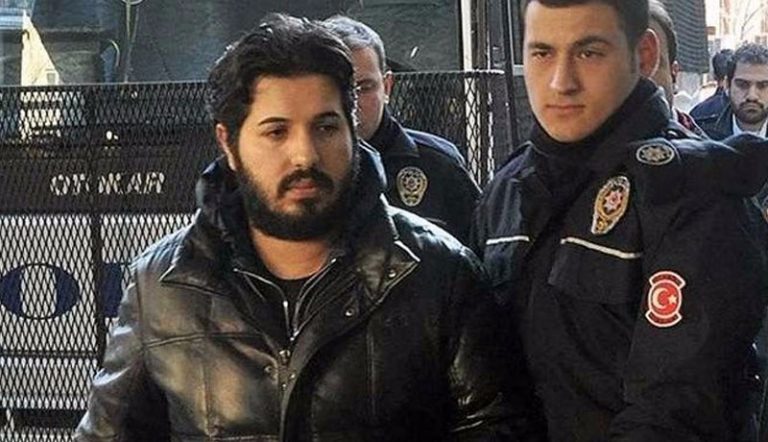
PROSECUTOR MUSTAFA A. SENTENCED TO 7 YEARS 6 MONTHS IN PRISON ON 15 MARCH 2018

Dismissed and arrested prosecutor Mustafa Arslan was sentenced to 7 years 6 months in jail by Adana 2nd Assize Court for being member of armed terrorist organisation on 15 March 2018.

He was accused of using ByLock secure mobile messaging application which was publicly available on Google and Apple Stores.

He denied accusations and requested his acquittal.

After convicting and sentencing, court released him on condition that house arrest by considering his long detention period. He will be put in prison again if appeal courts uphold the conviction to serve remaining sentence.

Source:
www.memurlar.net

WOMAN JUDGE RABİA BAŞER SENTENCED TO 7 YEARS AND 6 MONTHS IN PRISON ON 14 MARCH 2018

Dismissed and arrested judge Rabia Başer was sentenced to 7 years 6 months in jail by İstanbul 33th Assize Court for being member of armed terrorist organisation on 14 March 2018.

She is the wife of judge Mustafa Başer who was arrested and sentenced to 10 years in jail after deciding to release for arrested police officers investigating corruption scandal of Zarrab, Ministers’ and Erdogan’s sons.

After sentencing, court ruled continuation of arrest for Rabia Başer.

Source:
www.memurlar.net

WOMAN JUDGE HACER G. SENTENCED TO 6 YEARS 10 MONTHS 15 DAYS IN PRISON ON 13 MARCH 2018

Dismissed and arrested judge Hacer Gençoğlu was sentenced to 6 years 10 months 15 days in jail by Adana 2nd Assize Court for being member of armed terrorist organisation on 13 March 2018.

She joined hearing via video conferencing system (SEGBIS) from prison where she has been kept in since July 2016.

She was accused of using ByLock secure mobile messaging application which was publicly available on Google and Apple Stores.

She denied accusations and requested her acquittal but court ruled conviction.

Source:
www.trthaber.com

Bağımsız yargı?

0

13 Mart 2018

ALMAN Die Welt gazetesinde çıkan ufak bir haber aslında fevkalade önemli.

Die Welt, “Türkiye, AB vizesi karşılığı tutuklu gazetecileri serbest bırakabilir” diye yazdı. (DW, 8 Mart)

Fakat tutuklama ve tahliye kararlarını ‘bağımsız yargı’ vermez mi?

Bir hukuk devleti bazı insanları tutuklayıp, siyasi bir gelişme karşılığında serbest bırakabilir mi?

Ülke yararı için varsın olsun diyenler varsa, başlarına gelmesini isterler mi?

‘AJAN’ DAVALARI

Elbette hukuk devletinde böyle bir şey düşünülemez. Ama bazı olaylar bu yönde kuşkulara yol açıyor.

Malum, aynı Die Welt gazetesinin muhabiri Deniz Yücel 27 Şubat 2017’de tutuklanmıştı, ‘Alman ajanı’ ve ‘terör örgütlerinin işbirlikçisi’ diye ilan edilmişti!

Almanya ile Türkiye arasındaki gerilimlerin sebeplerinden biri olmuştu bu tutuklama.

Başbakan Binali Yıldırım, ilişkileri düzeltmek için Berlin’e gitti, Merkel’le görüşmesi sırasında Deniz Yücel konusunda iddianamenin hazırlanıp ‘kısa sürede bir gelişme olacağını umduğunu’ söyledi; 14 Şubat 2018.

Ve ertesi gün Deniz Yücel’in iddianamesi hazırdı, mahkeme de tahliye kararı verdi.

Hem de ‘yurt dışına çıkış yasağı’ koymadan, ‘adli kontrol’ gereği de duymadan.

Deniz Yücel 16 Şubat’ta Almanya’ya uçtu, tahliye edileceği anlaşıldığından olacak, önceden tutulmuş bir özel uçakla…

Ünlü Büyükada davasında da mahkeme 8 tutuklunun tamamını tahliye ederken sadece dört Türk vatandaşı hakkında ‘yurt dışına çıkma yasağı’ koymuştu.

DÜNYAYA ANLATMAK

Şahin Alpay ve Mehmet Altan hakkında Anayasa Mahkemesi, “dosyada delil yok, tutuklamak insan hakları ihlalidir” diye karar verdi ama hâlâ tutuklular…

AYM böyle bir karar verdiğinde mahkemeler hemen tahliye kararı verirdi, kanunun gereği de budur. İşte İlker Başbuğ, işte Mustafa Balbay…

Fakat bu defa iktidar sözcüleri, “AYM yetkisini aştı” diye konuştular. Ardından mahkemeler, “AYM yetkisini aştı, tutukluluğun devamına…” diye karar verdiler.

Dahası AYM kararına rağmen müebbet hapse çarptırıldılar.

Hâkimlerin özgür kanaati de böyle olabilir ama bu tabloyu dünyaya nasıl anlatırsınız?

Bütün bu örneklerde hukukun evrensel ölçülerine göre ortaya çıkan ‘tuhaf’durumları nasıl izah edersiniz?

Nureddin Yıldız gibilerin görüşlerine öteden beri kesinlikle karşıyım, ama söyledikleri Türk Ceza Kanunu’na göre ‘halkı düşmanlığa tahrik’ suçu değildir. Hem niye zamanında değil de, Cumhurbaşkanı yani ‘yürütme erki’ konuştuktan sonra ‘yargı erki’ soruşturma açtı?

‘TÜRKİYE’DE REHİN YOK’

Cumhuriyet davasında Murat Sabuncu ve Ahmet Şık tahliye edildi, geçmiş olsun.

Akın Atalay da gelecek celsede tahliye edilecek galiba, mahkeme başkanı ‘gemiyi en son kaptanın terk edeceğini’söyledi.

Tutuklanmaları hataydı.

Bu ayın 26’sında Varna’da AB ile Türkiye arasında çok önemli bir zirve var. Elbette tahliyenin bununla ilgisi yok ama yine de faydası olur sanıyorum.

Türkiye maalesef tutuklamalarda siyasi görüntü veriyor. Öyle ki, Başbakan Yardımcısı Mehmet Şimşek, Amerika’da, “Türkiye’de siyasi rehin yok” diye açıklama yapma ihtiyacını duydu. (12 Ekim 2017)

Tabii yok da yargı bağımsızlığı konusunda kuşkular yaratan davranışların ülkeye büyük zarar verdiği görülmeli artık.

Bizim yargımızın da bağımsız olduğunu bin defa, milyon defa söylemenin pek etkisi olmuyor. Yargı bağımsızlığını sağlayacak evrensel ilkeler bellidir. Bunları kabul etmek ve kurumsal olarak hayata geçirmek gerekiyor.

Kaynak:

www.hurriyet.com.tr

HABER| Bir muhrec* hakimin portresi: Zeynep Mercan: “İlk defa olduğum gibi hissediyorum.”

0


‘Muhrec Giresun Hakimi.’ Twitter’da kendisini böyle ifade ediyor Zeynep Mercan. Profilinde ayrıca, 27 yıl hapis yatmış, engizisyon vahşetini yaşamış İtalyan Toplumcu Düşünür Tommaso Campanella’nin (1568-1639), Ütopya türünün örneklerinden ‘Güneş Ülkesi’ adlı kitabındaki şu cümle dikkati çekiyor: ‘Ben doğacak yeni sabahların çan sesiyim.’ Arka plan kısmında ise Nikos Kazancakis’e (1883-1957) ait şu cümle var: “Hiçbir şey ummuyorum, hiçbir şeyden korkmuyorum, özgürüm.”

TWITTER’DA BİR HAKİM

Peki, kimdir Zeynep Mercan. Önce, Twitter’da dikkatimizi çeken paylaşımlarına baktık. Birçok konuda ifade özgürlüğünü, insan haklarını savunan paylaşımları vardı. Avrupa İnsan Hakları Mahkemesine yaptığı başvurunun ‘İç hukuk yolları tüketilmediği’ gerekçe gösterilerek reddedildiği haberi dışında ise, ona dair pek bir haber yoktu. En iyisi kendisiyle konuşmaktı. Öyle yaptık.

15 Temmuz 2016’daki darbe girişimi yaşandığında hakim olarak görev yaptığı Giresun’daymış: “Görev sürem 3 yıl olmasına rağmen iki yıla indirilip Muş’tan isteğim dışında Giresun’a gönderildim. 5 gün olmuştu göreve başlayalı. Evimde televizyon kurulu değildi. İnternet yoktu. Mobil internet de dolmuş. Gece 11 gibi arkadaşımın mesajı ile öğrendim darbe girişimini. Sonra İstanbul’daki kardeşimi aradım. O da haberleri doğruladı. ‘Bu yüzyılda darbe mi olur’, diyorum. Aklım almıyor. Sabah kalktım, Giresun’da her şey olağan.”

GÖZALTI VE TUTUKLULUK SÜRECİ

Ancak akşama doğru kardeşi arar ve “Abla ismin çıktı medyada. Gözaltına alınacaklar listesinde’ der. Zeynep Mercan’ın henüz 18 aylık bir çocuğu olduğu için, ‘Gelelim, çocuğu kime bırakacaksın?” der. Zeynep Mercan da, “Bu itibar edilecek bir şey değil” yanıtını verir ve akşam saat 10 gibi uyur. Gece kapıları çalar. Saat 3’tür, 10 polisle birlikte, bir gün önce tanıştığı savcı beydir gelen. “5 saate yakın ev araması yaptılar ve ‘Anayasal düzeni bozmaktan gözaltındasınız’ dediler.”

Sonra emniyete götürülür. 2 gün gözaltında kaldıktan sonra savcılığa sevk edilir. İfadesi alınmadan önce görevden uzaklaştırma yazısı tebliğ edilir. Sonrasını da şöyle anlatıyor: “Savcının elinde 30 soru vardı. ‘FETÖ/PDY’nin evlerinde kaldınız mı?’, ‘Himmet verdiniz mi?’, ‘İngilizce puanınız kaç?’, ‘Yurt dışına gittiniz mi?’, ‘Dershanelere gittiniz mi?’. Ben de, ‘Tüm bu olanların benimle ne alakası var.’ diyorum. ‘Ben bir şey söyleyemem. Benim de bir fikrim yok. Sadece bu soruları cevaplandırın dedi savcı bey.”

Sonra da, gece 1 gibi tutuklamaya sevk edilir. Kendisine hakimlikte, özellikle 2014 yılında yapılan HSKY seçimleri sorulur. “Orada ne tür faaliyetlerde bulundunuz?” diye. Ardından anayasal düzeni bozmak suçundan tutuklanır ve 65 gün tutuklu kalır. Sonra da çocuğu küçük olduğu için tahliye edilir.

‘YAKLAŞIK 10 YIL ÖNCE CEMAAT EVİNDE KALDIM’

1 ay sonra tekrar gözaltına alınır. Hakkında ifade vardır: “Üniversite döneminde ve üniversite sonrasında kaldığım bir ev vardı. Onunla ilgili itirafçı beyanları olmuş. Ben tekrar gözaltına alındım. 11 gün daha gözaltında kaldım. Sonra savcılıktan serbest kaldım. Ardından haziran ayında davam açıldı. Geçen cuma da 6 yıl 3 ay hapis cezası verdiler. Gerekçeli kararı gördükten sonra istinaf mahkemesine itiraz edeceğiz. Tutuksuz devam edecek.”

Ve hakkındaki kararı 2 Mart 2018 günü Twitter’da şu sözlerle paylaşır: “Günaydın herkes:) az önce mahkemem 6 yıl 3 ay ceza verdi bana.. şimdilik hayallerimi erteliyorum fakat hayal kurmaya devam. ve evet bu bir iş ilanıdır, hayat devam ediyor di mi:)”

Peki, ihraç edilmiş bir hakim olarak, bugüne kadar hep yukarıdan ve karşıdan baktığı sanık sandalyesinde hakkındaki bu kararı duyduğunda neler hissetmişti?

Yanıtı şöyle: “Ben açıkçası beraat etmeyi bekliyordum. Sadece 10 yıl öncesine ait tanık beyanları var. Benim de kabul ettiğim bir kısım var Cemaate dair. Bir dönem Cemaat evinde kalmışlığım vardı, onu anlattım. Marmara Hukuk Fakültesinde okudum ben. 2008 mezunuyum. Üsküdar’da bir evde kaldım bir süre. Normalde Beykoz Kavacıklıyız. Orada kendi evimiz var. Anneannem oturuyor. Ama anneannemin oturduğu eve geç gelmek sorun oluyordu. Arkadaşım Cemaat evinde kalmasına rağmen benden çok daha rahattı. Kendisi, ‘Gel beraber kalalım, Cemaatte bir görevi olmayanlar çok daha rahattır’ dedi. Ben de bir süre o evde kaldım. Ama ben İngilizce kursuna gidiyordum ve evde kalanları da teşvik ediyordum. Orada ‘bölge ablası’ denen birisi vardı. Beni çağırdı. ‘Sen kendi örgütünü mü kurmaya çalışıyorsun. Sen kimseye İngilizce kursunu tavsiye edemezsin. Ancak bizim iznimizle gidebilirsiniz. Bizim izin verdiğimiz kişiler gidebilir. Sen kafana göre bunları yapamazsın’ dedi. Beni itham edince ben ayrıldım oradan. 3 ay kadar kaldım orada. Daha sonra da mezun oldum. İlk girdiğim hakimlik sınavını kazanamadım. Daha sonraki sınavı da 0.5 puan ile kaybettim. 1 yıl sonra tekrar bir sınav olacaktı. Yine yaklaşık 4 aya yakın ders çalışmak için kaldığım bir Cemaat evi oldu benim bu süreçte. Ben bunları hem emniyete, hem savcıya anlattım. Mahkemede de söyledim. Mahkeme başkanı bana ısrarla ‘Etkin pişmanlıktan faydalanmak istiyor musun?’ diye sordu. Ben etkin pişmanlıktan faydalanmak istemediğimi söyledim. Çünkü anlattıklarımı suçlu olduğum için anlatmadım. İddianamede Cemaatin geçmişi, Zekeriya Öz vs. ve darbe ile ilgili yaklaşık 100 sayfa var. Son 1 sayfası beni ilgilendiriyor. Ben de ‘Bunları kesinlikle kabul etmiyorum’ dedim. Benim meslek hayatımda yaptığım yanlış diyebileceğim tek şey, bu mesleğe girmemi kolaylaştırması için referans bulmaktır. Çünkü o zamanlar bunun gerektiği herkesçe biliniyordu.”

O kısmı da soruyoruz, anlatıyor: “Hakimlik sınavında 312. oldum. 12 kişinin önüne geçmiş oldum. 300 kişi aldılar bizim zamanımızda. Benim mesleğe geçmemi kolaylaştıran kişi de Trabzonlu ve halen üst düzey bir görevde. Ben de Trabzon Çaykaralıyım. Yüksek de bir puanım vardı. 82 puan ile girdim ben bu mesleğe. ‘Beni eleştirebilirsiniz, kınayabilirsiniz, yanlış yaptın diyebilirsiniz. Ama ben meslek hayatımda ne talimat aldım, ne talimat verdim. En ufak bir şeyim yok. Daha yirmili yaşlarımın başlarında ailemin verdiği karardan dolayı ben burada mahkum edileceksem de edilirim’ dedim hakime. O da hiçbir şey söylemedi. Zaten karar hazırmış, kararı verdi. Benim bu yapı ile fikren iltisak içinde olduğum yazıyor hem iddianamede hem ihraç kararında. İddianamemde bu örgüt için hangi fiili işlediğim yazmıyor. Mesleğime nasıl bir yüz karalığı getirdiğim yazmıyor. O zaman ben potansiyel suçlu mu oluyorum, düşüncelerimi mi okudular. Bu kadar basit çalınmamalıydı hayallerim. Bunu kabullenemiyorum.”

‘KIRILMA NOKTAM HRANT DİNK’İN VURULMASI OLDU’

Zeynep Mercan’a 15 Temmuz darbe girişiminden sonra ailesinden başka ihraç edilen olup olmadığını da soruyoruz, “Eşim ve kardeşim var” diyor. Cemaat suçlamasıyla mı? “Evet.”

Ardından okuduğumuzda merak uyandıran tweetlerini soruyoruz. Altan’lar mahkum edildiği zaman paylaştığı, “#gazeteciliksuçdeğildir bu karar da yok hükmündedir…” tweeti, Nedim Türfent, Hrant Dink ve Selahattin Demirtaş ile ilgili tweetleri ile “Eren Keskin’in sürmeleriyiz” şeklindeki tweetini.

Zeynep Mercan, “Hakimken de böyle mi düşünüyordunuz?” sorumuza ise şöyle yanıt veriyor: “Ben ülkücü bir babanın kızıyım. Ve öyle bir kütüphane ile büyüdüm. Necip Fazıl, Abdurrahim Karakoç okudum. Babam 1980 darbesi sırasında 25 yaşında bir üniversite mezunuyken Beykoz Ülkücü Teşkilatı başkanıymış. Darbe günü kaçmış 2 ay sonra yakalanmış. 1 ay da işkence görmüş ve öldü denilerek Beykoz’da bir çukura atılmış. Ve 3 yıl korkudan evden dışarı çıkamamış. Sonra hayata adapte olamamış. Şimdi de bir takım hastalıkları var. Manik Depresif gibi. Bir bakımevinde kalıyor. Emekli olmak zorunda kaldı. Ben öyle bir ailede büyüdüm. Özellikle üniversitede Kürt sorunuyla ilgili çok şey okudum. Kırılma noktam Hrant Dink’in vurulması oldu. O dönem çok fazla şey okudum. Üniversitede eylemlere katılmak istemedim. Sorunların o şekilde çözülmeyeceğini düşünüyordum. Babam 13-14 yaşındayken bizi terk etmişti. En hızlı başlayacağım şey hakimlik sınavıydı. Ona çalıştım. O bile geç oldu. Hakimken Adalet Bakanlığı İnsan Hakları Daire Başkanlığında çalıştım. Hedefim 30 yaşından önce insan hakları alanında yurt dışında yüksek lisans yapmaktı. Bizim çalıştığımız dönemde AİHM savunmalarını, Anayasa Mahkemesi görüşlerini hazırlıyordu bu daire. Yargıdaki reform paketlerine dair madde çalışması yapıyorduk. Af Örgütü ile de temasım o zamanlardan başladı. Ben 17-25’i orada yaşadım. O günlerden sonra çok ciddi fişleme başladı. Oradan gönderildik. Muş’a gönderildim. Muş’ta 2 yıl infaz hakimliği yaptım. Orada da mahkumların açlık grevlerini ‘ifade özgürlüğü’ anlamında değerlendiren kararlar verdim. Bu tabii, cezaevi yönetimini de rahatsız etti. Gidip başsavcıya şikayet etmişler. Zaten listede adım olduğu söylendi.”

‘BEN ÖNCELİKLE BİREYİN HAKKINI SAVUNURUM’

Zeynep Mercan’a üniversite yıllarını da soruyoruz. Üniversitedeyken TESEV’e gittiğini anlatıyor: “TESEV’in araştırmalarını okuyordum ve orada hakim ve savcılar üzerinde yapılmış bir araştırma çıkmıştı. Hatta Mithat Sancar’ın düzenlediği bir şeydi. ‘Birey mi, devlet mi?’ diye sorulmuş. Yüzde 50’den fazlası devlete öncelik vereceğini söylemiş. Ben de o zaman ‘Kim olursa olsun ben, öncelikle bireyin hakkını savunurum’ dedim. Daha sonra, ben Muş’ta görev yaparken Tahir Elçi’yi vurdular. Yakınını kaybetmiş gibi hissettim ve avukatlara taziyelerimi bildirdim.”
Twitter’ı ihraç edildikten sonra kullanmaya başlamış. Önce mahlas kullanmış. Daha sonra “Ben neden korkuyorum ki, olduğum gibi olacağım” diyerek öyle davranmış. Gerisini şöyle anlatıyor: “Çok kişi şaşırdı tabii. Ben tüm bu sürece rağmen öğrenme sürecimden okumalarımdan kopmadım, çok okudum çok sorguladım. Bir gün insan haklarına dayanan hukuk devletine döneceğiz ve ben o günler için, ülkem için, en iyisini yapmak için hazır olacağım. “

ŞİMDİ SADECE BABASININ EMEKLİ MAAŞI VAR

Zeynep Mercan, uzun zamandır meslekten istifa etmek istediğini de söylüyor. Biz bu söyleşiyi yaparken, “Dün de Şebnem Korur Fincancı beni takip etmeye başladı Twitter’da. Çok mutlu oldum ve bununla ilgili tweet attım. Uzun zamandır takip ettiğim, okuduğum biridir” diye heyecanla ekliyor.

İhraç edilince küçük çocuğu ile birlikte Ankara’da ailesinin evinde, annesiyle kalmaya başlamış. Malulen emekli olan babasının, emekli maaşı ile geçinmeye çalıştıklarını söylüyor.

Ve ekliyor: “Kendime bir alan belirledim. Adalet Bakanlığında çalıştığım insan hakları alanı üzerinden devam ediyorum. Bunu daha da özelleştirdim. Nefret suçları, nefret söylemi ve ifade özgürlüğü, kadın hakları. Bunlarla ilgili bütün her yere katılıyorum. Şu anda da Af Örgütünde insan hakları eğitimi alıyorum. Mektup yazarak dayanışma göstermeye çalışıyorum. Cumhuriyet yazarlarına, Zaman yazarlarına. Çağdaş Hukukçulardan tutuklananlara. Hepsine mektup, kartpostal gönderdim. Kitap gönderiyorum. Bu zaten bendim. Bana, ‘Bunlardan dolayı da yargılanacaksın, seni hiçbir zaman işe almayacaklar. Sesini kes otur, çocuğun ile ilgilen’ diyen çok oluyor. Bunların hiçbirinin bende bir karşılığı yok. İlk defa olduğum gibi hissediyorum ve bunun özgürlüğünü de yaşıyorum.”

Zeynep Mercan, Türkiye’deki yargı sisteminin halini göstermek açısından yabana atılamayacak bir anısını da anlatıyor: “Ben bu mesleğe girerken Trabzonlu bir Yargıtay üyesi ile konuşmuştum. O bana ‘Siz artık AKP’nin hakim ve savcılarısınız’ demişti. Ben de ‘Niye?’ dedim. Kimin döneminde girdiysen onun hakim ve savcısı olursun, görürsün demişti.”

ZWEIG, LİVANELLİ, AYSAN

Kendisini etkileyen yazarların başında Stefan Zweig’ın geldiğini söylüyor Zeynep Mercan. Özellikle intiharının ardından bıraktığı mektuptan çok etkilenmiş. Bir de, Zülfü Livaneli’nin kitaplarını severek okuduğunu anlatıyor. Öncesinde, kendisini geliştirmek için daha çok kendi alanında, insan hakları ve hukuka dair okuyormuş. İhraç edildikten sonra edebiyata da yöneldiğini anlatıyor ve ekliyor: “Bu süreçte Behçet Aysan okudum. Onun da ‘Yarın Diye Bir Şey Var’ şiirini seviyorum.”

*Osmanlıca: Dışarı çıkarılmış, ihraç olunmuş.

Kaynak:

www.evrensel.net